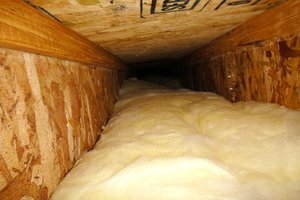
There are many different kinds of insulation to choose from.
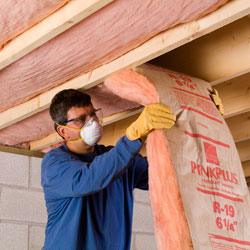
Blanket batts and rolls made from materials like glass wool, polyester, natural wool or recycled paper are often inexpensive and easy to do yourself, and yet they lack the same levels of maximum thermal performance, or R-value, of other forms of insulation. This form of insulation sometimes loses up to 50% effectiveness due to incorrect installation though so professional installation is suggested.
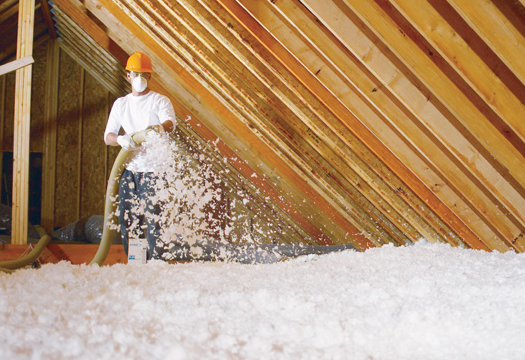
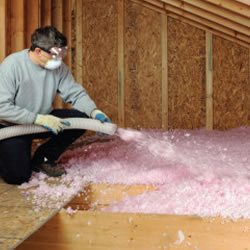
Loose fill/blown-in insulation, on the other hand, consists of fluffy strains of fiber blown into attics and walls to fill each nook and cranny, but often lose effectiveness in very cold temperatures.
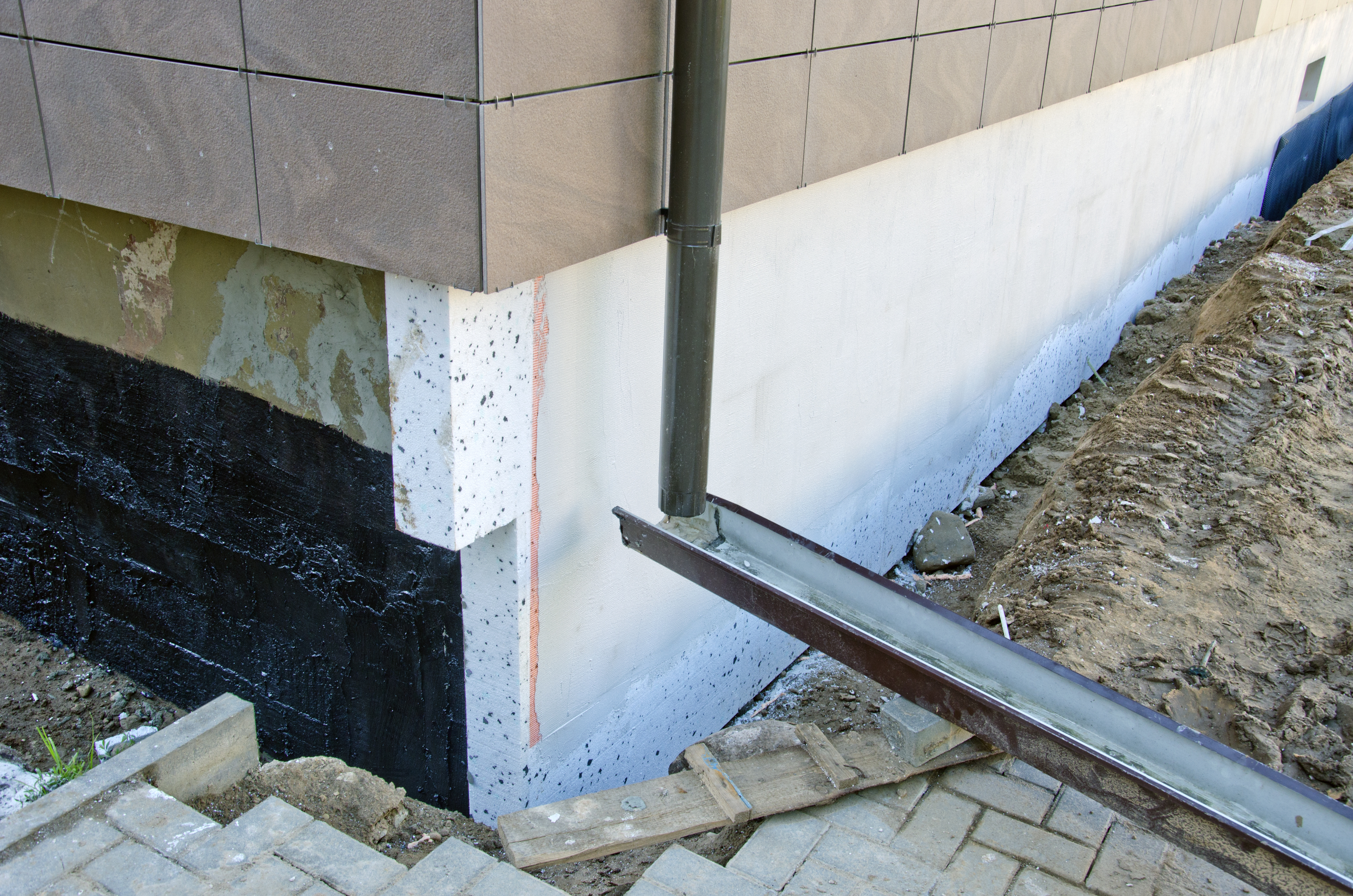
Rigid insulated panels, which can insulate an entire wall surface, have superior energy efficiency ratios, but must be cut around pipes and structural obstructions.
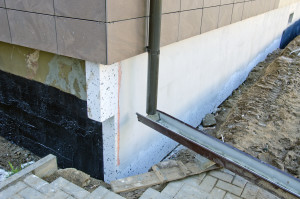
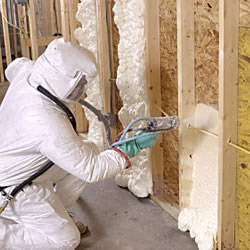
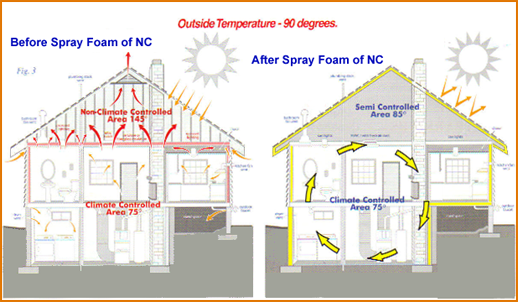
What is perhaps the best choice for insulating your home is spray foam insulation, which creates a complete seal to air flow serving as a more effective air barrier and thermal barrier, as well as being more effective at blocking outside noise. It can even help to keep pests out of your house. Spray foam insulation is sprayed through a nozzle into the wall cavities using specialized equipment, quickly expanding to fill every nook and cranny. In one simple step, you can both completely insulate your wall cavities as well as seal your walls against cold air and wind. While in the past only newer homes could benefit from the advantages and convenience of spray foam insulation; today some newer forms of non-expanding high R-value spray foam insulation can also be installed in older homes with pre-installed insulation, with no need to break holes or tear down your walls.